








250 - 350 RON
Ad
The caving portal of legends and mysteries
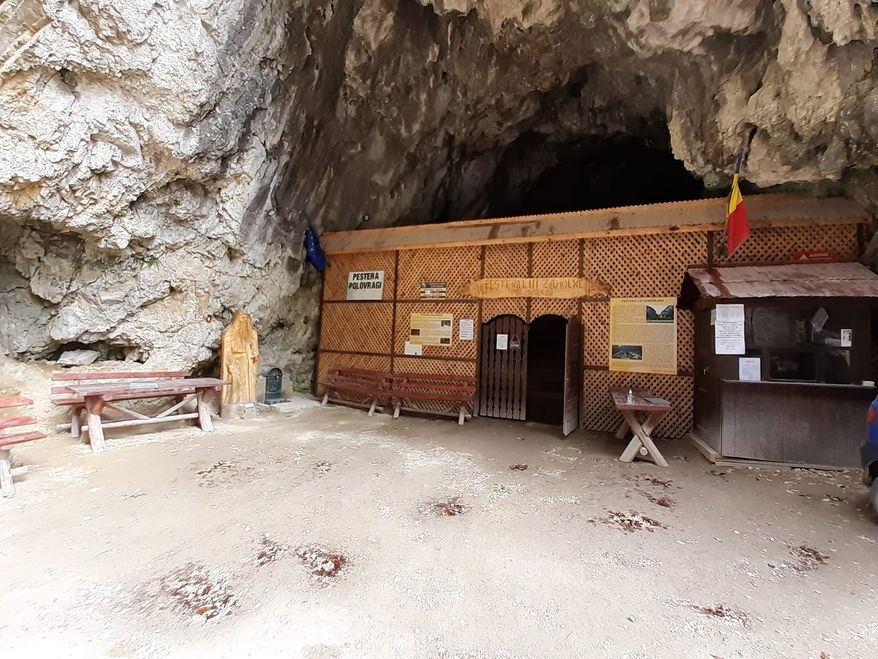
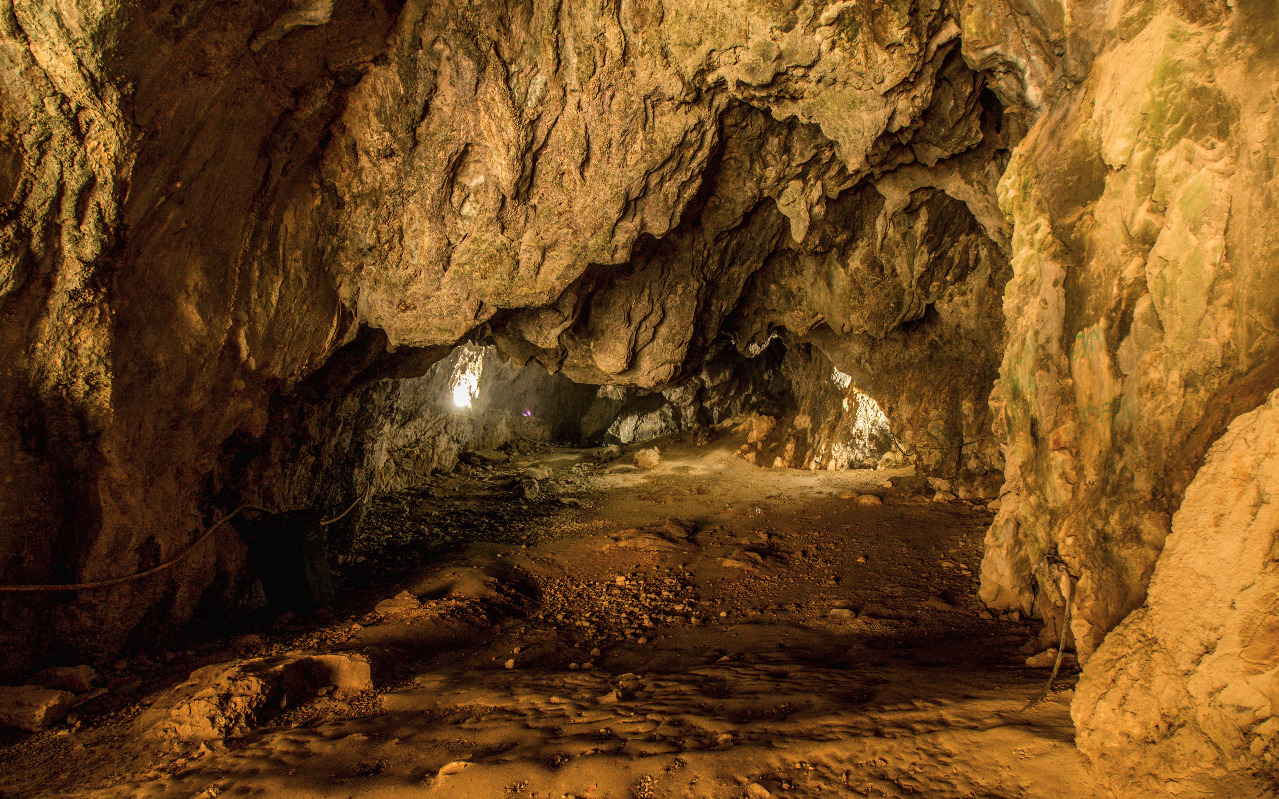
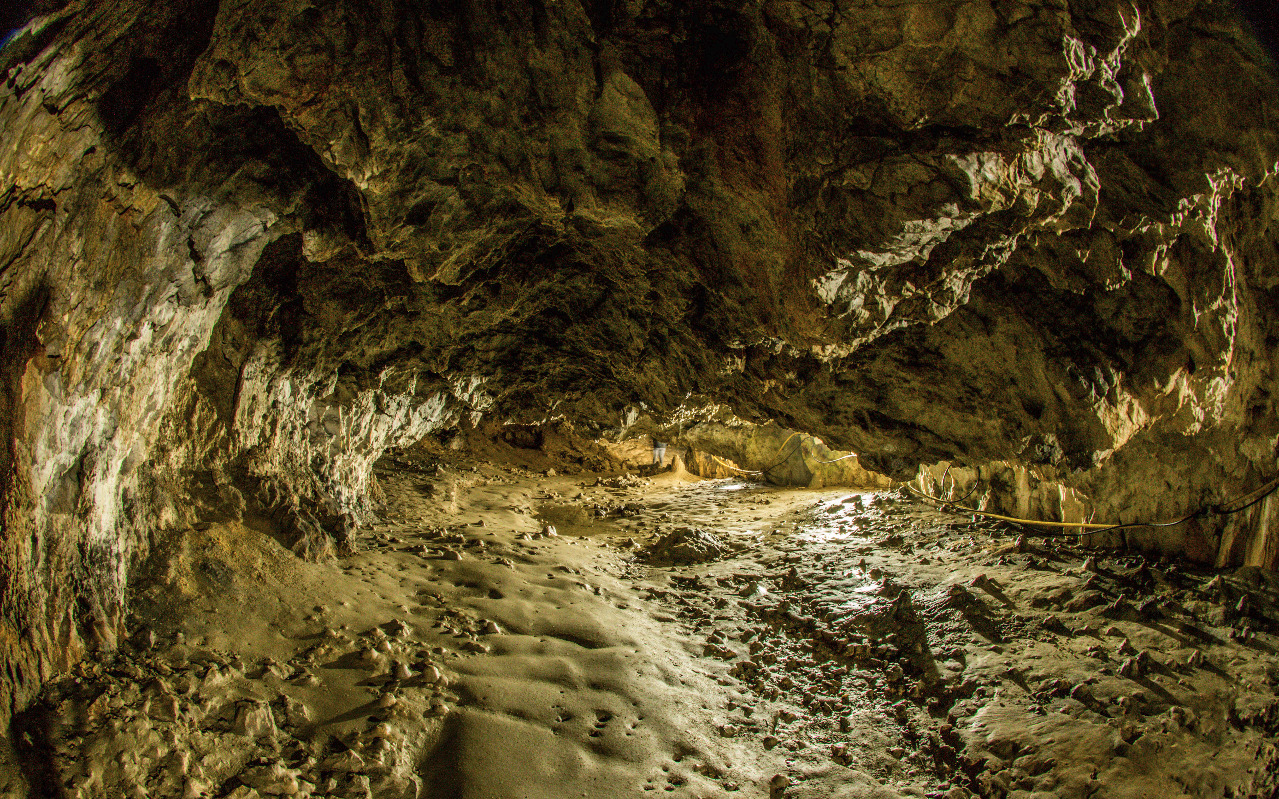
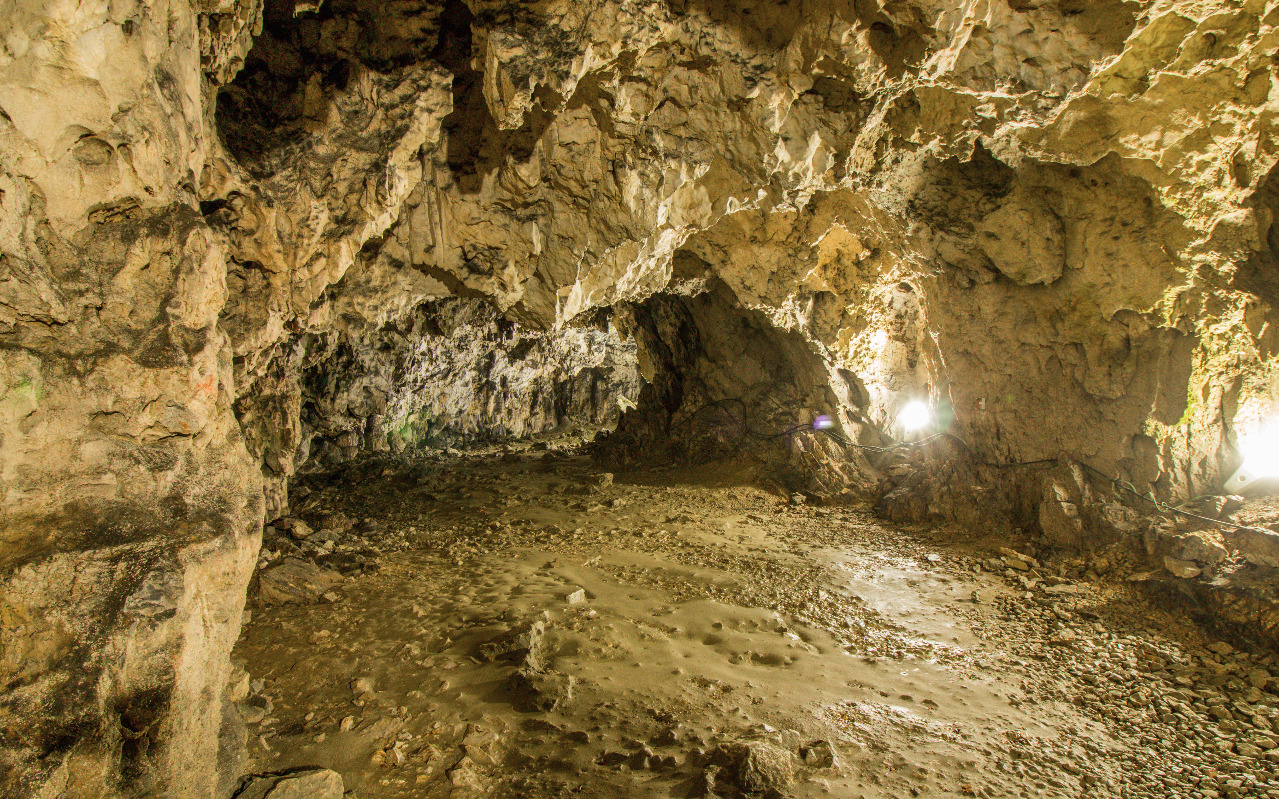
Situated near the Polovragi Monastery, on the left bank of the Olteț River, the Polovragi Cave is one of the most important speleological sites in Romania. It was formed by the corrosive action of water in the Mesozoic limestones of the Căpățânii Mountains, offering visitors a spectacular trail of about 800 metres. It is a „warm” and humid cave, with a constant temperature of 9 degrees Celsius, harbouring colonies of protected bats.
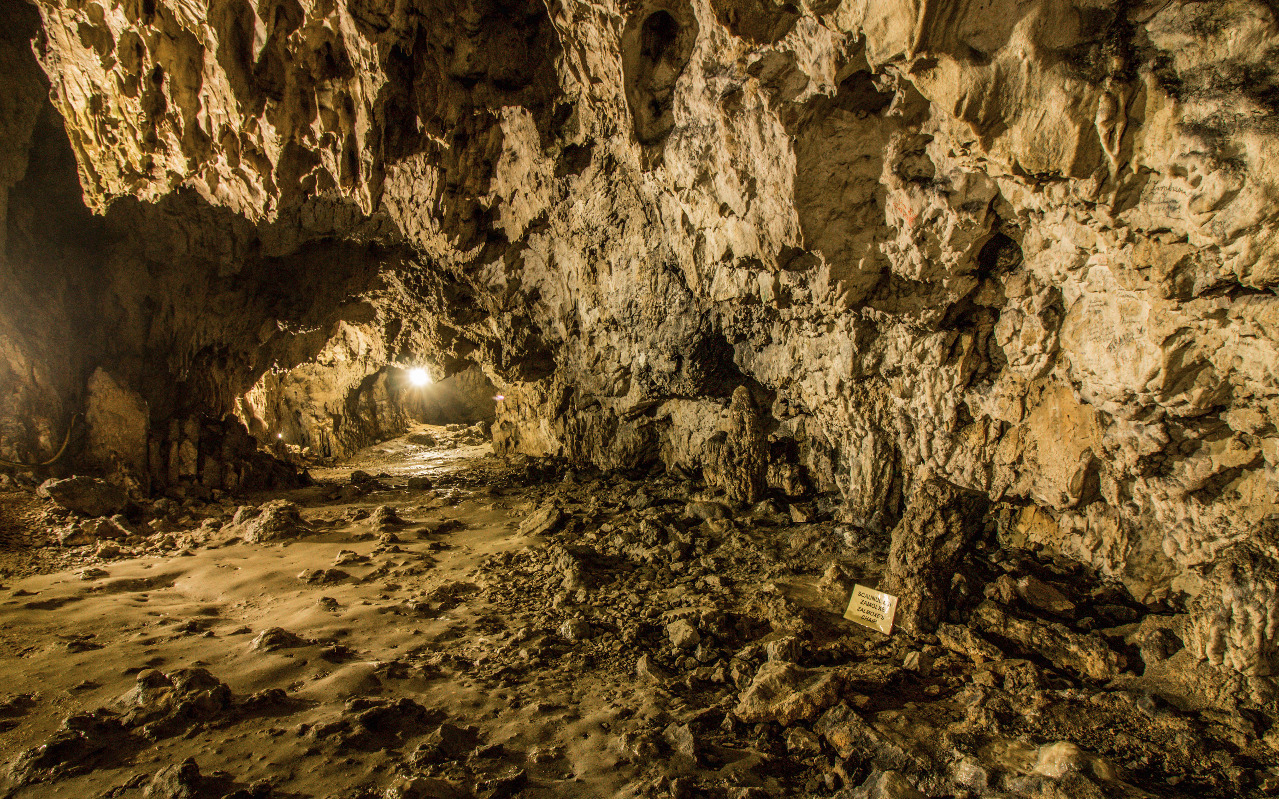
The interior of the cave impresses by the diversity of karst formations created by the infiltration of water rich in calcium carbonate. Among the best-known formations are Zamolxe's Seat, the Spring of Hope and the Dacian Furnace, the latter being an area where Dacian witch doctors are believed to have prepared rare herbal remedies such as polovraga.
The ceiling of the cave has unusual shades in places, and the galleries are full of calcitic „leaks” that give the impression of abstract sculptures. The high humidity makes the walls always seem „alive”, as water droplets continue to mould this underground universe for thousands of years.
Polovragi Cave is shrouded in an aura of mystery, being considered in popular tradition as the residence of the supreme god of the Dacians, Zamolxe. It is said that he would enter the mountain through this cave and come out on the Padeș Plateau above the mountain to watch over his people.
Another local legend talks about the extinct medicinal plant called „polovragra”, which the witch doctors used as a universal remedy. The name of the locality and the name of the cave are said to derive from this magical plant. Oral tradition also tells of treasures hidden in unexplored galleries, guarded by ancient curses.
 Your request has been submitted successfully.

 Română Română
  English (UK)