








250 - 350 RON
Ad
A hearth of Brancovan spirituality
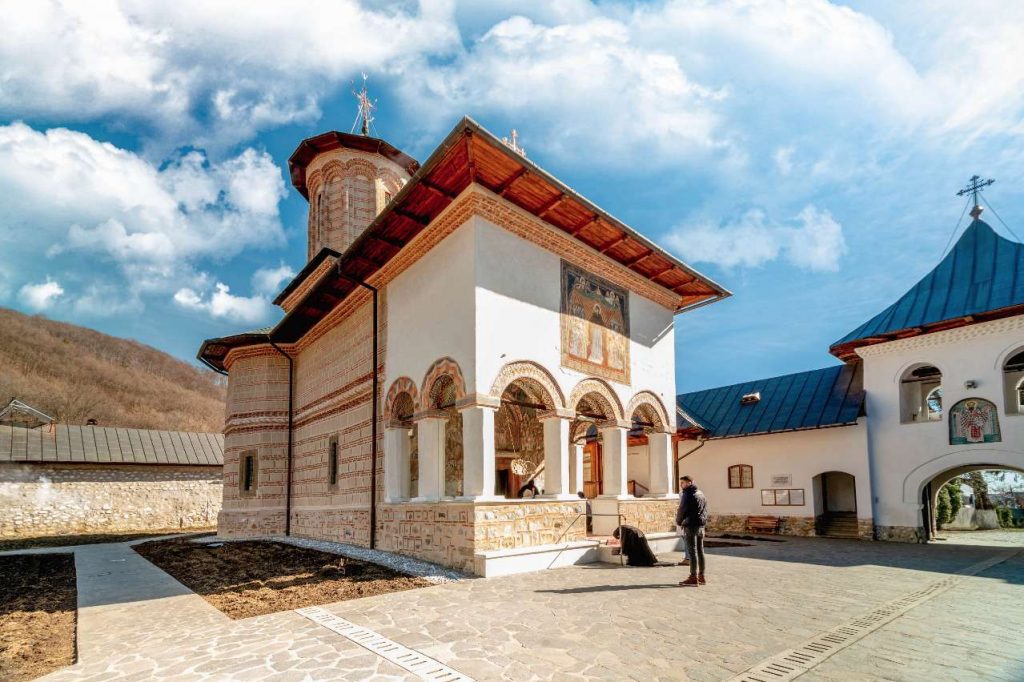
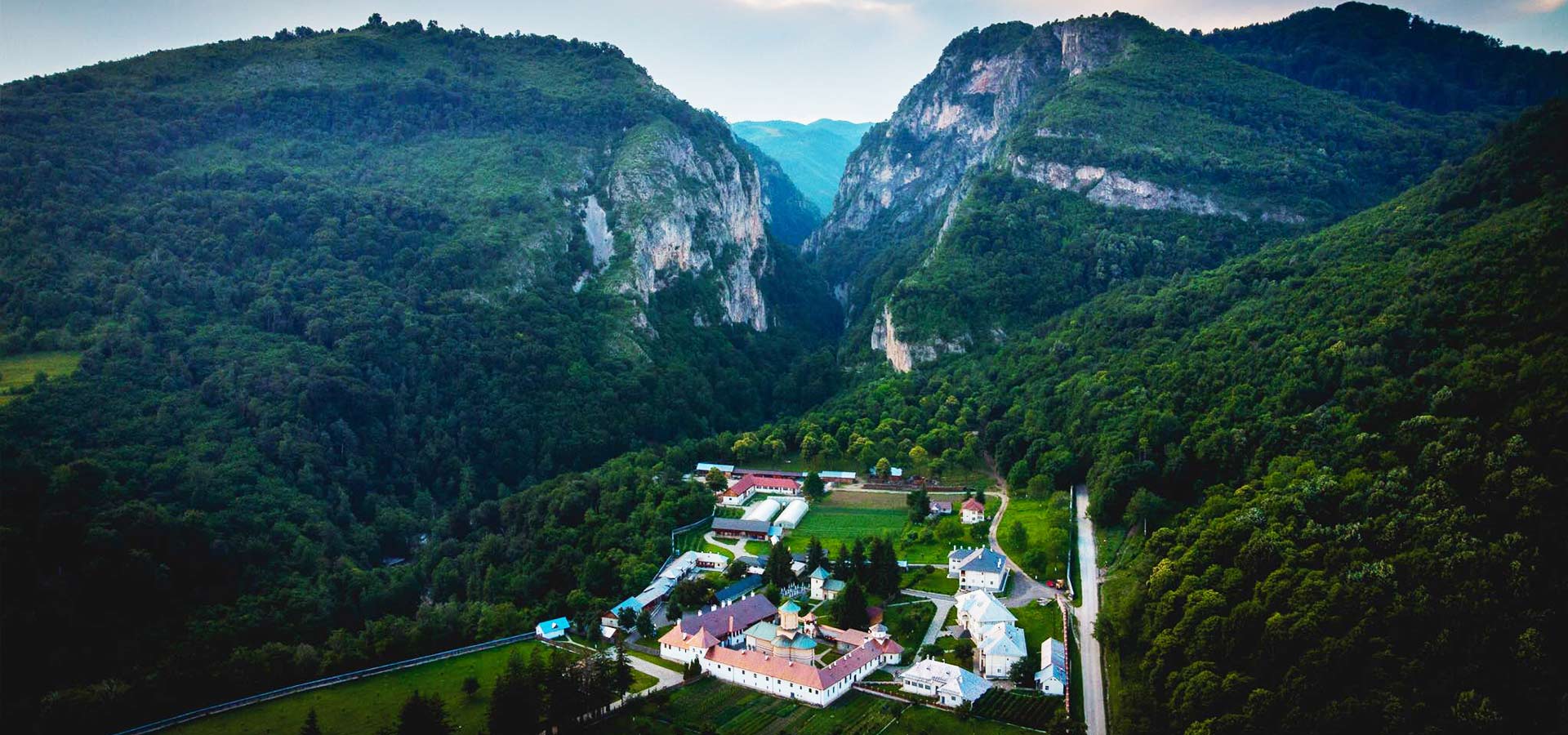
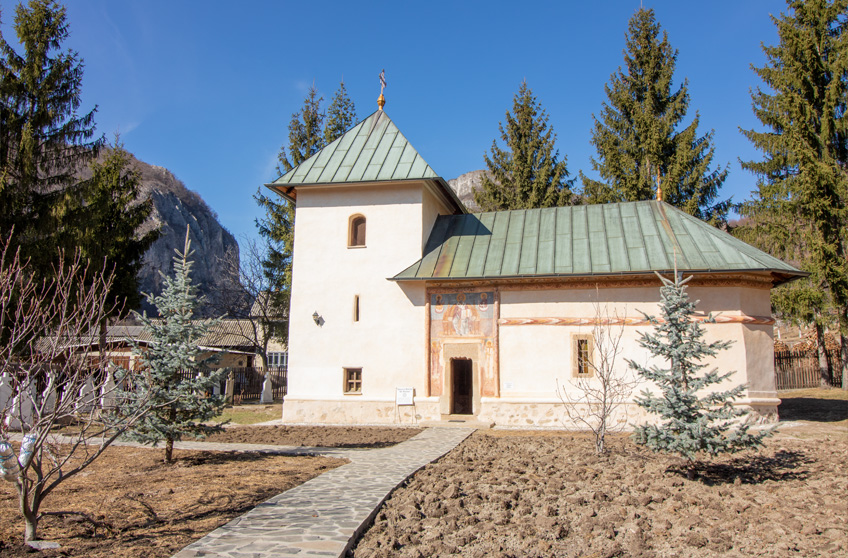
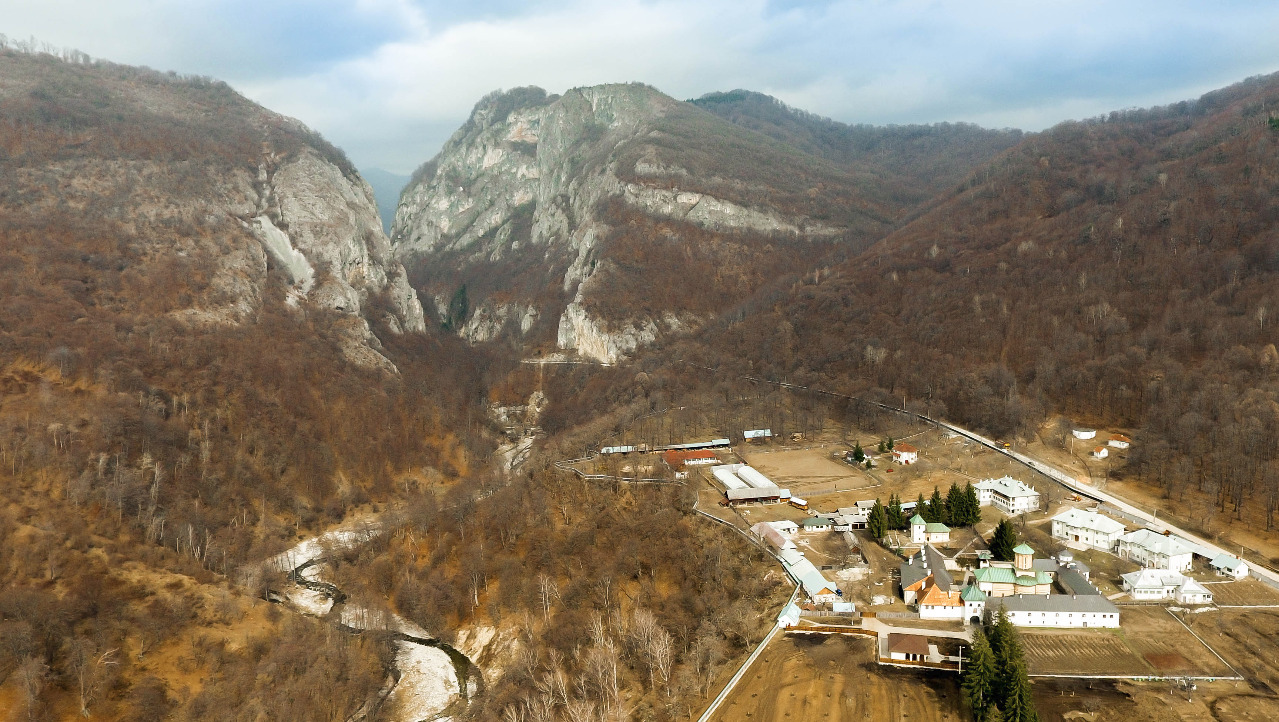
Polovragi Monastery, located in Gorj County, is one of the most important monastic ensembles in Oltenia, being classified as a historical monument of national importance. Strategically located at the entrance to the spectacular Oltețului Gorges, the monastery offers visitors a place of meditation and a living lesson in medieval Romanian architecture. With a history spanning more than five centuries, the monastery remains a symbol of spiritual endurance at the foot of the Căpățânii Mountains.
The first attestations of the monastery date back to around 1505, being initially founded by the sons of the nobleman Danciu Zamona. The decisive transformation took place in 1643, when the squire Danciu Pârâianu built the present church dedicated to the Assumption of the Virgin Mary. Later, the monastery came under the protection of Prince Constantin Brâncoveanu, who transformed it into a cultural and artistic centre subordinated to the Hurezi Monastery.
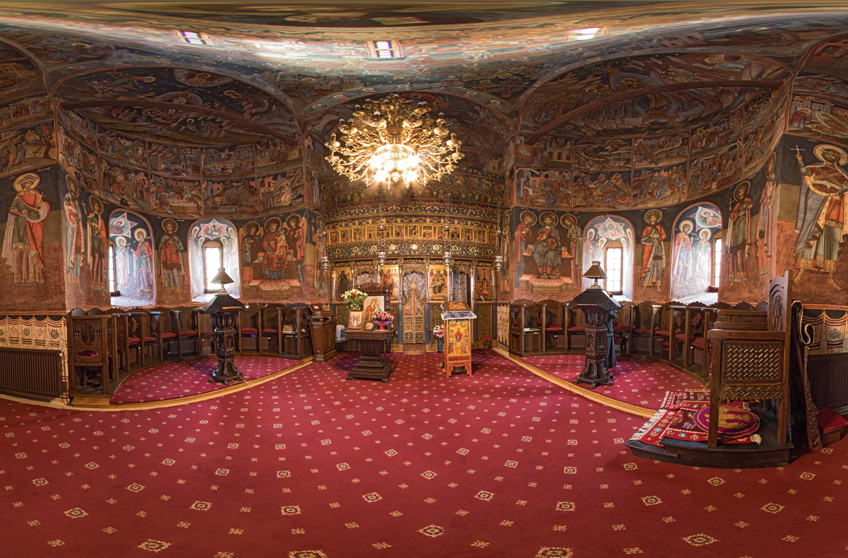
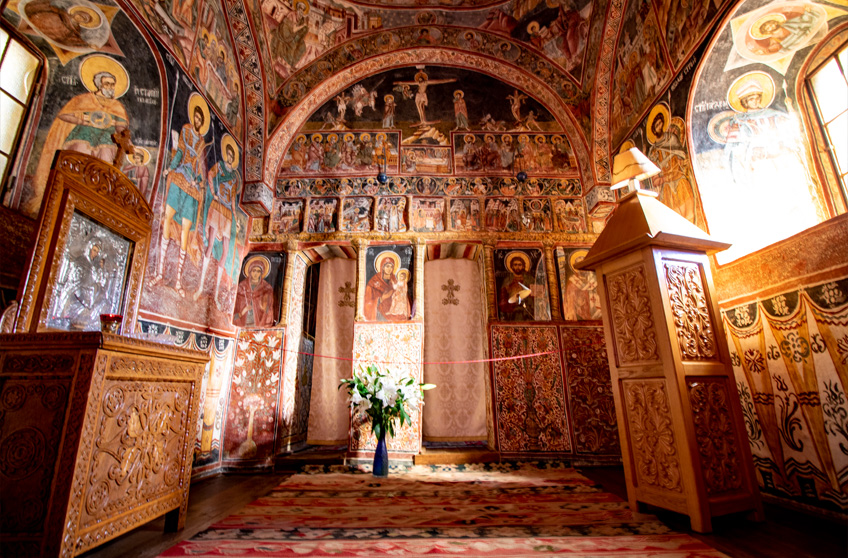
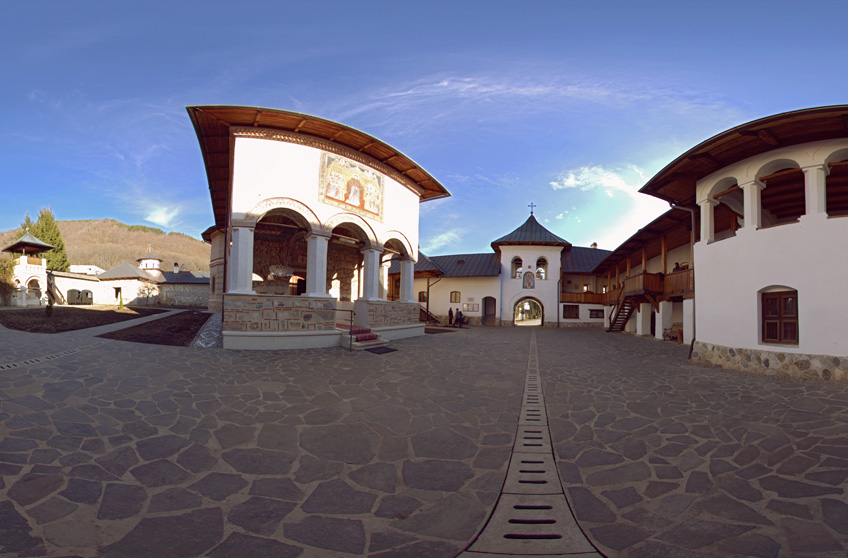
Polovragi Monastery's invaluable element is its interior painting, realised between 1703 and 1712 by the craftsmen of the Hurezi school. The frescoes represent one of the best preserved examples of Brancovenetian art in the country. A unique feature is the open porch, supported by stone columns, and the linden-wood panelled ceiling with gilded floral carvings.
Local legends make a fascinating connection between the monastery and the Polovragi Cave. It is said that the ancient Dacian witchdoctors, who used the „polovragra” plant to cure diseases, passed on their knowledge to the monks who later settled here. Oral tradition also mentions the existence of taverns beneath the monastery altar, where precious artefacts were hidden during times of invasion.
 Your request has been submitted successfully.

 Română Română
  English (UK)