




 Own or work here?

Your basket
- No products in the cart.
Subtotal:
0.00 €
Most popular products


The most visited nature monument in Romania
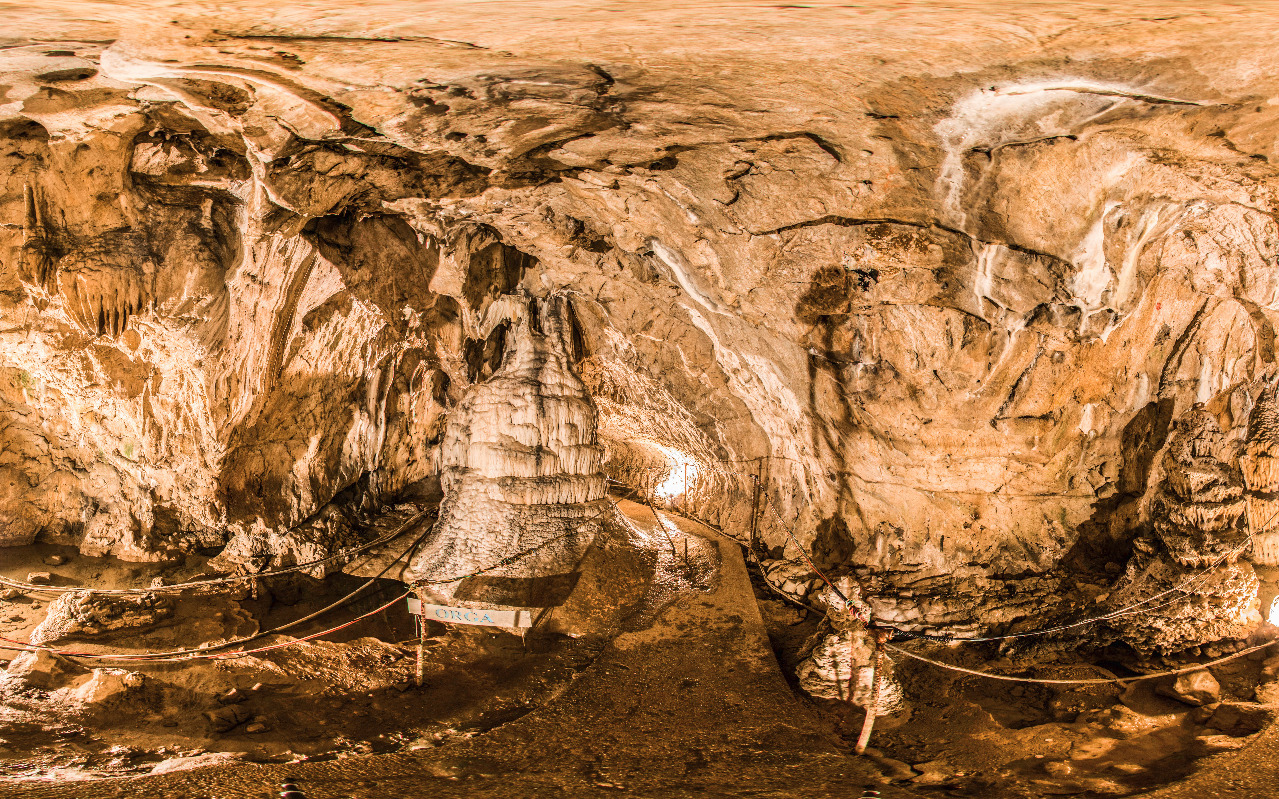
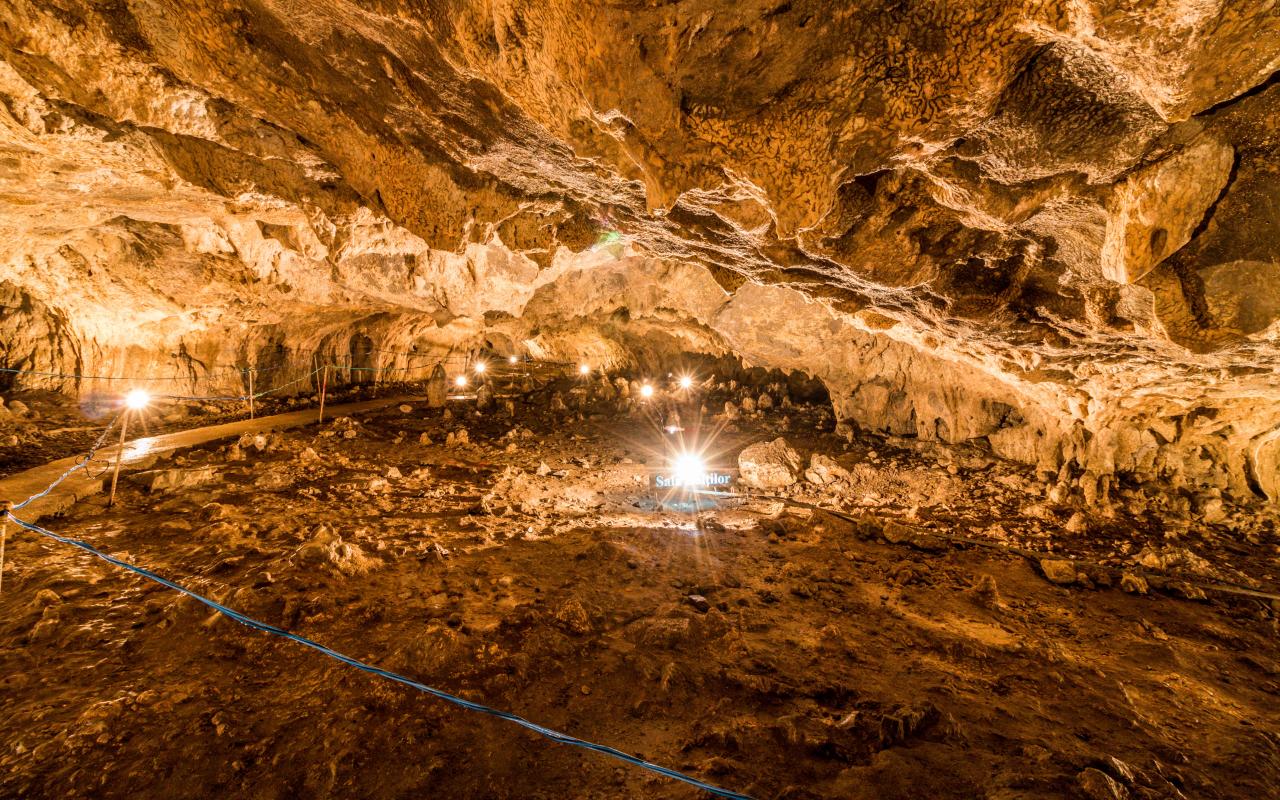
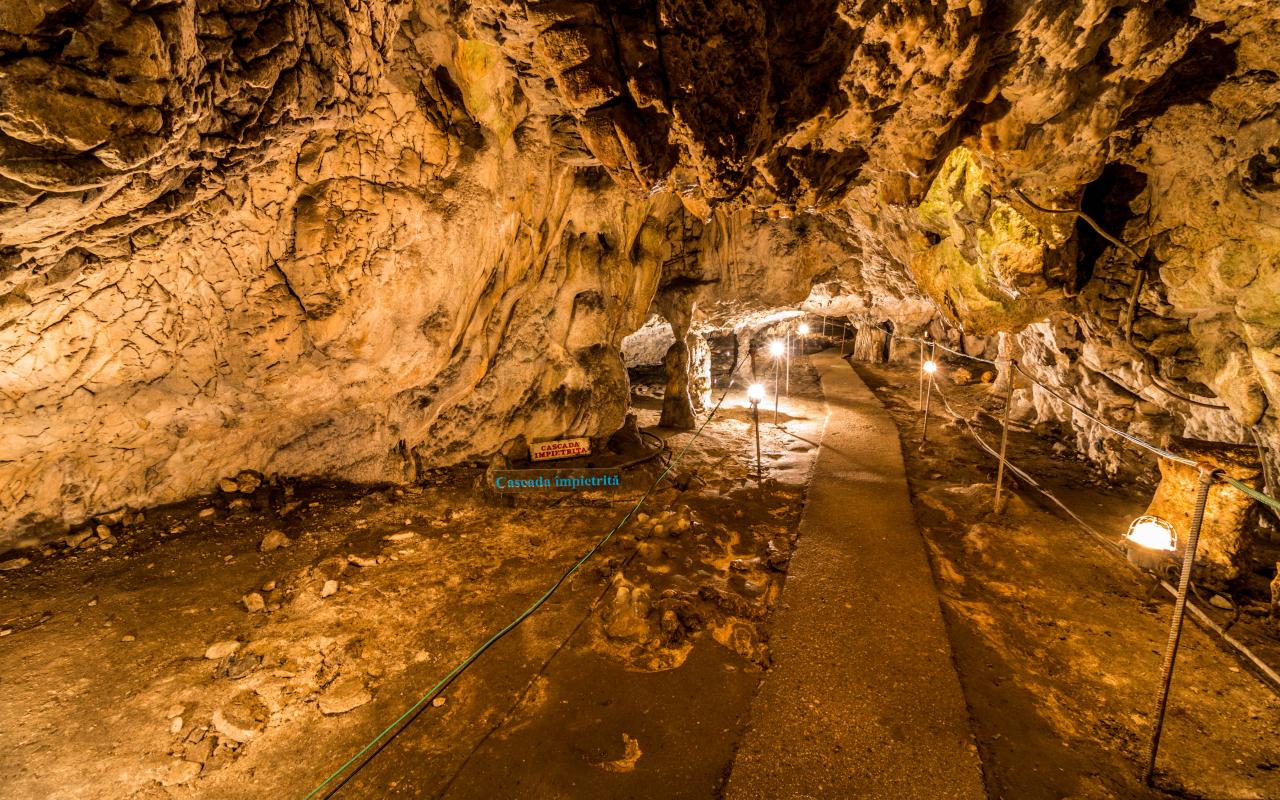
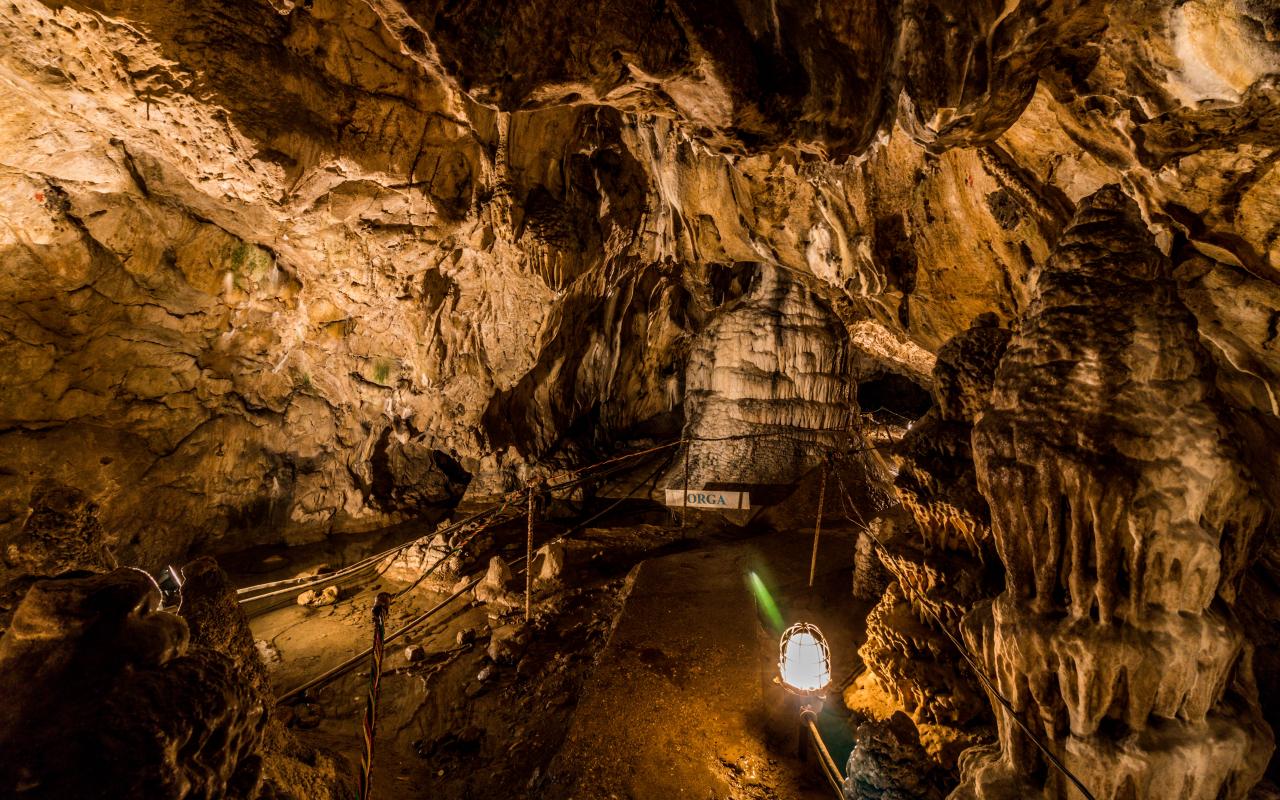
Excavated in the Mesozoic limestones on the southern side of the Parâng Massif, the Muierilor Cave is the best known and most visited speleological site in the country. Located in Baia de Fier commune, Gorj county, the cave was modelled by the waters of the Galben river, creating a complex system of galleries on four levels. From the approximately 7,000 metres of galleries, tourists can explore a 600-metre-lit and landscaped trail that crosses the mountain from one end to the other.
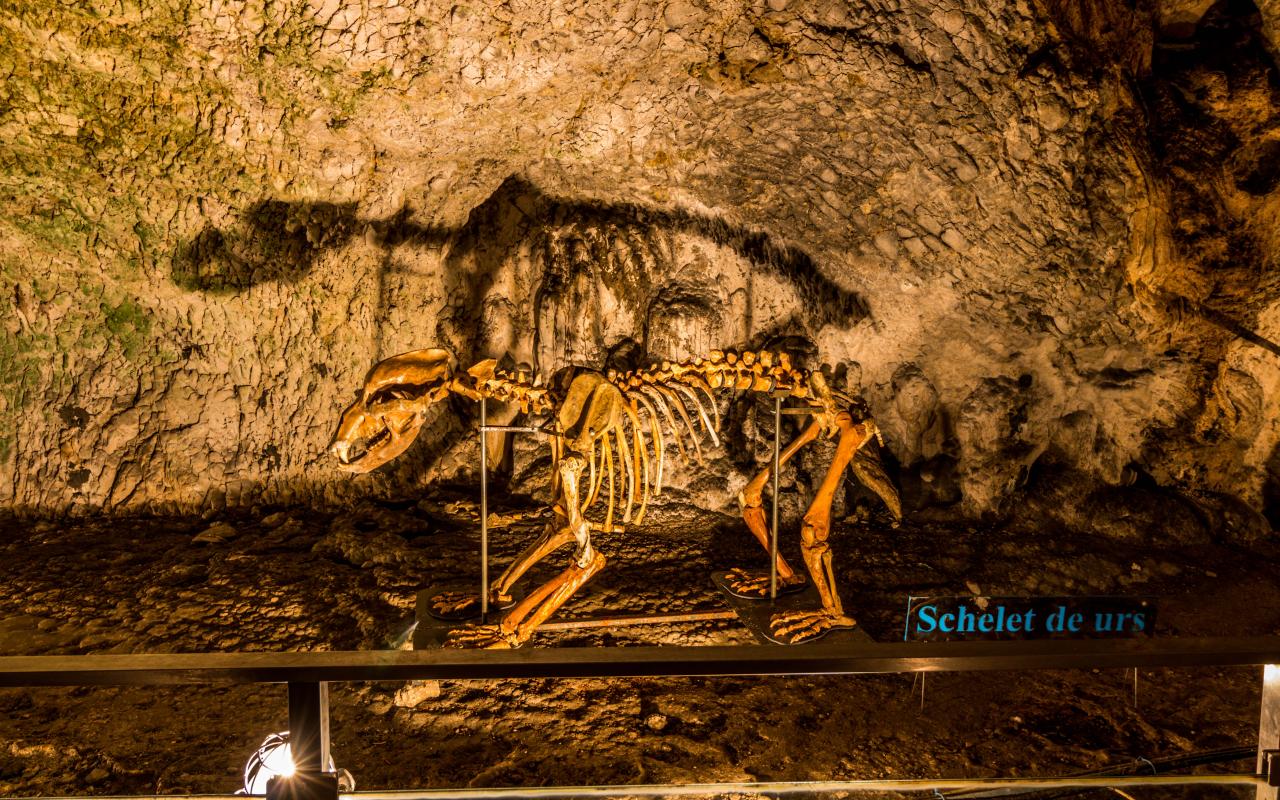
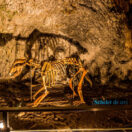
The cave is famous not only for its karst landscape, but also for anthropological discoveries of worldwide importance. The remains of the „Cave Cave Man” (about 35,000 years old) have been found here, as well as a rich fossil deposit of Ursus Spelaeus (cave bear).
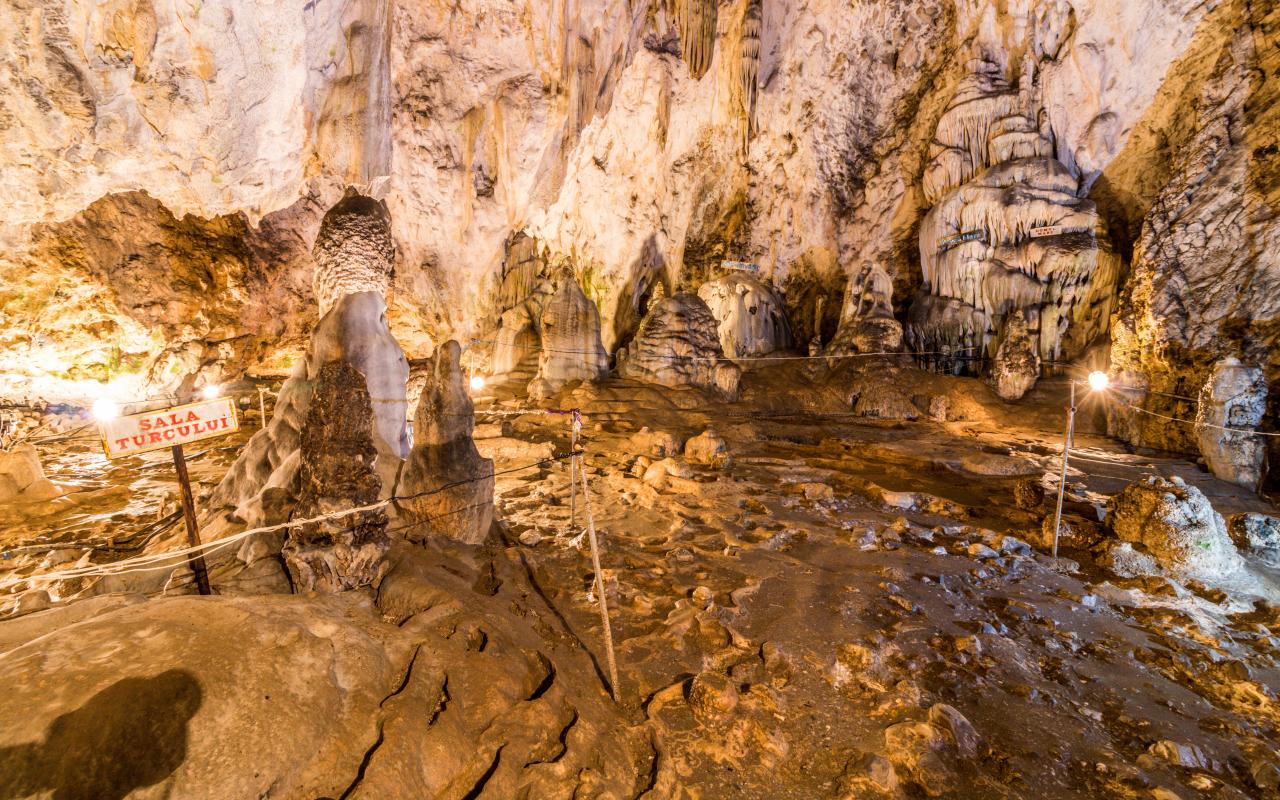
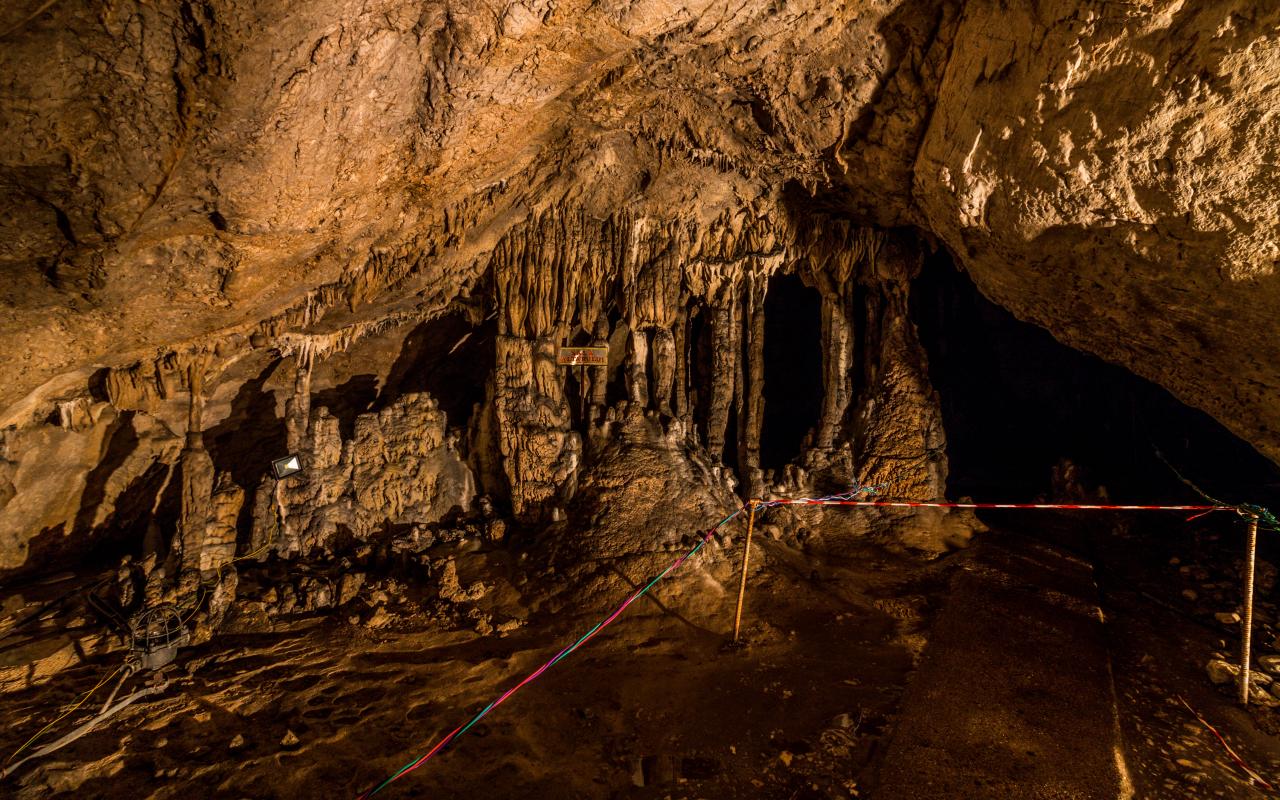
In the main gallery, visitors are greeted by breathtaking natural sculptures. Among the most famous are the „Field of the Gods”, the „Dome”, the „Veil of the Virgin” and the „Water Pools”. Each step reveals stalactites and stalagmites that took millennia to form, turning the galleries into a veritable geological art museum.
The cave's name is closely linked to its role as a refuge in times of hardship. Legend has it that during the Ottoman invasions, when men were away fighting in the mountains, women, old men and children used to take shelter in these hidden galleries. Another local story attributes the name to the communal labour of the village women, who used the caves to melt flax and hemp in the natural pools of water, taking advantage of the constant temperature of 15 degrees Celsius.

 Română Română
 English (UK)